Jim Blanchard
Welcome to Motorcycles and Racing
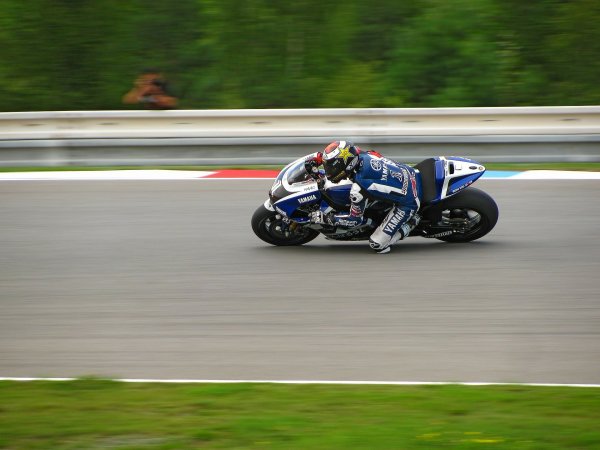
Motorcycle racing is an exhilarating sport for both participants and their fans. It is a high-speed chase around a track which often leads to thrills and spills as riders fight to win individual and multiple races. There are various championships around the world, such as the British Superbikes which take place every year at multiple venues, such as Brand's Hatch, Donnington Park and Silverstone. The sport attracts large volumes of fans and is televised with considerable sponsorship also involved. Current main sponsors of British Superbikes are Bennetts Insurance and Pirelli tires. Motorcycle racing is famous throughout the world.
How Often Should You Carry Out Those Motorcycle Maintenance Tasks
14 Mar 2020
Owning a shiny motorcycle requires a certain level of commitment. First of all, just like any car, your motorcycle needs regular maintenance to remain at its peak condition. These maintenance tasks can be done by yourself or you can simply bring your vehicle to a mechanic.
Preparing for a great race
20 Feb 2020
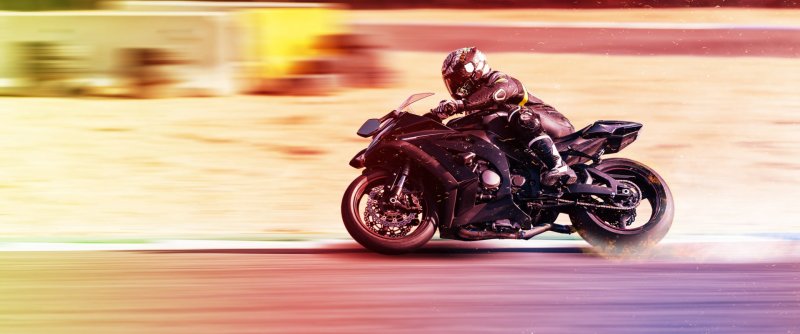
Becoming a motorcycle racer is not as easy as it would seem. The type of bike you have might aid you in placing amongst the first few places, but it is the driver’s preparation both physical and psychological that will determine his success. In this article, we are going to share a few tips that might help new drivers get ready for their first race, or if you’re not a beginner, to help you do better in your next competition.
Driving a motorcycle requires the driver to be focused to enable him to negotiate the track, especially the curves. Furthermore, it is imperative to be in optimal physical condition as maneuvering your bike through the twists and turns requires incredible physical effort. Thus, let us share some tips to help you succeed better!
Tips on how to prepare for a race
- Don’t miss out on proper sleep. Getting 7 to 8 hours of sleep before a race will help you be lucid and focused during the race.
- Relax before the race. Find an activity that you enjoy and relax you, to take your mind of the race of the next day. This is a wonderful way to avoid anxiety. You might want to watch a movie or play online slot games. It is easy to find the most engaging if you consult sites like casinohawks.com.
- Don’t skip meals. Food is energy and it is your primary fuel to keep you focused and capable of driving for a prolonged period of time.
These are only a few tips to follow for a great mental and physical form, but they might make all the difference between winning and losing.
How to Drive Fast on the Racing Line
5 Feb 2020
So motorcycle racing is your hobby, and you are dedicated to becoming a better racer. You have a dream motorcycle model, but probably you still lack the necessary skills to become a badass racer. Don't worry. All can be learned with practice and determination.
How to Choose the Right Motorcycle
3 Jan 2020
Depending on your usage purpose, you may need one motorcycle more than others. But how to make the critical choice when it comes to shopping for your very first motorcycle? There are certain factors you need to consider when making the purchase decision.